2 hr 30 min
Bo-Kaap Malay Cooking Experience
Master traditional Cape Malay dishes in a local home, then feast on your creations in colorful Bo-Kaap.
Reserve
Hands-on tradition in Cape Town's most colorful quarter, where spice routes meet family recipes
Hand-picked by our editors — only the best 3 cooking experiences from 12 reviewed in Bo-Kaap.
Verified partners for Bo Kaap Cooking Class tours, free cancellation where available, and instant confirmation on every booking.
2 hr 30 min
Master traditional Cape Malay dishes in a local home, then feast on your creations in colorful Bo-Kaap.
Reserve
4 hr
Wander vibrant cobblestone lanes, then cook and feast on authentic Cape Malay curry in a local home
Reserve
3 hr 30 min
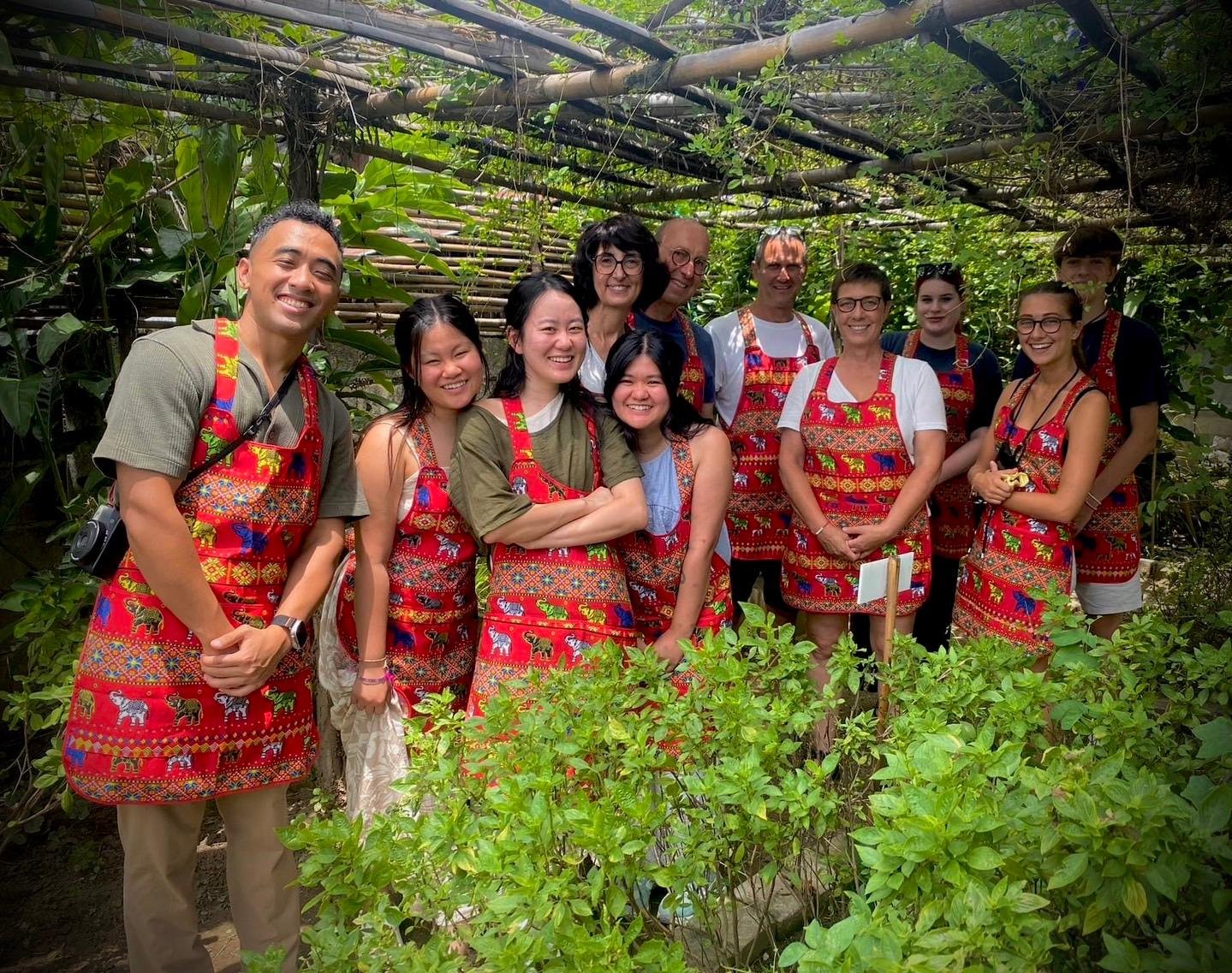
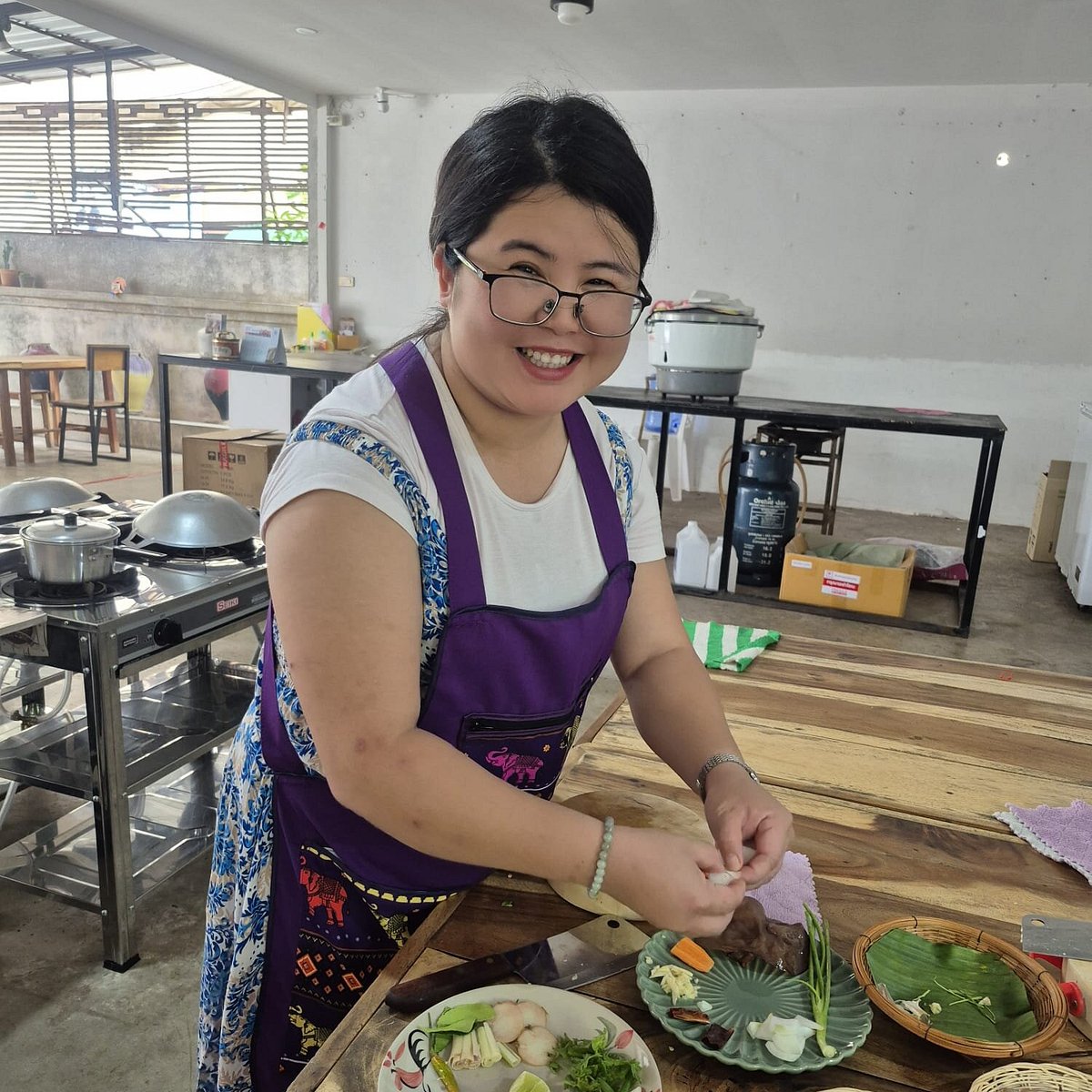
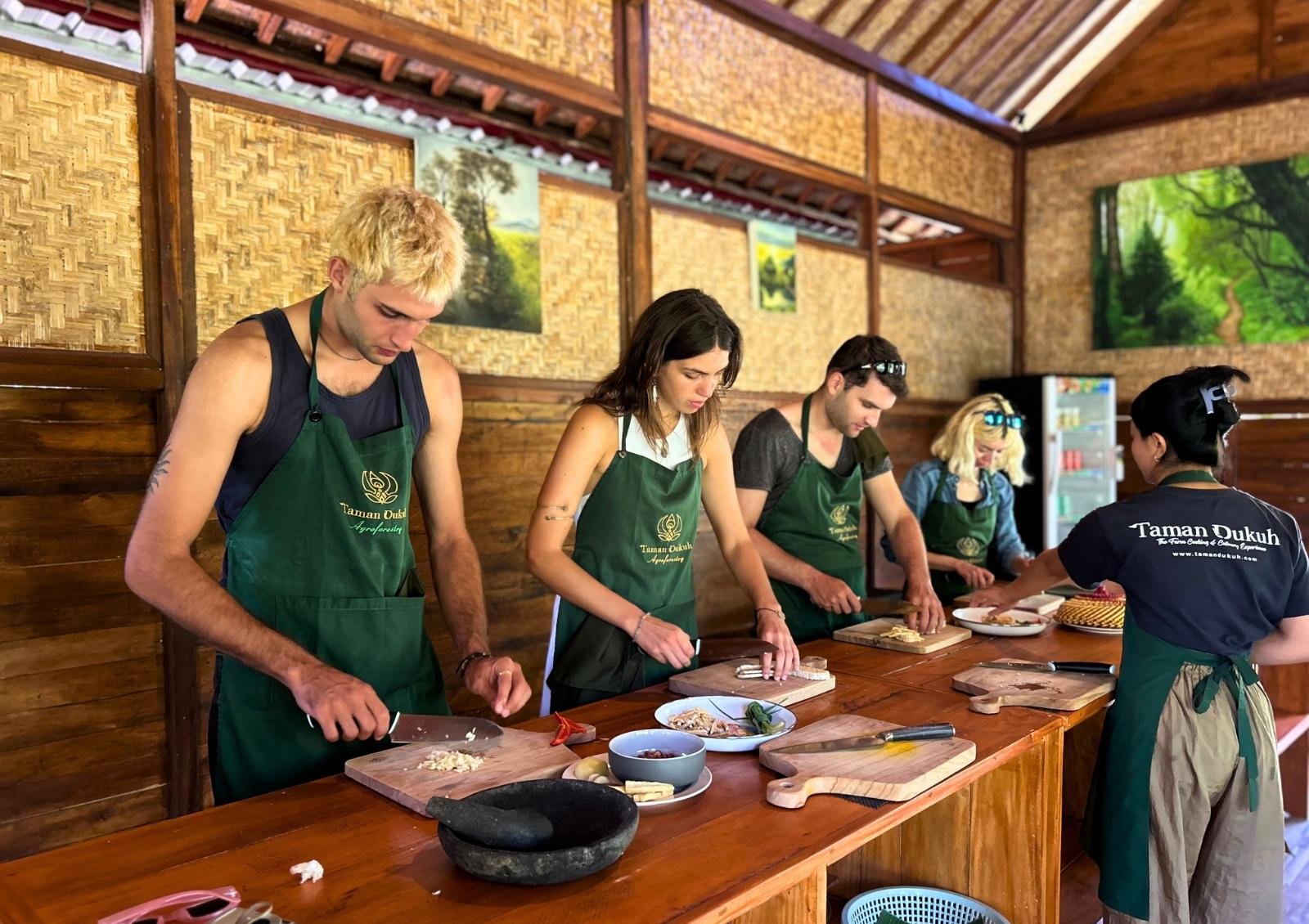
Master authentic Thai recipes in a family-run organic garden, from market shopping to curry paste pounding
ReservePrices from verified partners. Availability updates in real time at checkout. Free cancellation policies apply where shown.
The landmarks, rooms, and views travelers on Bo Kaap Cooking Class tours remember — all visible on a single visit.
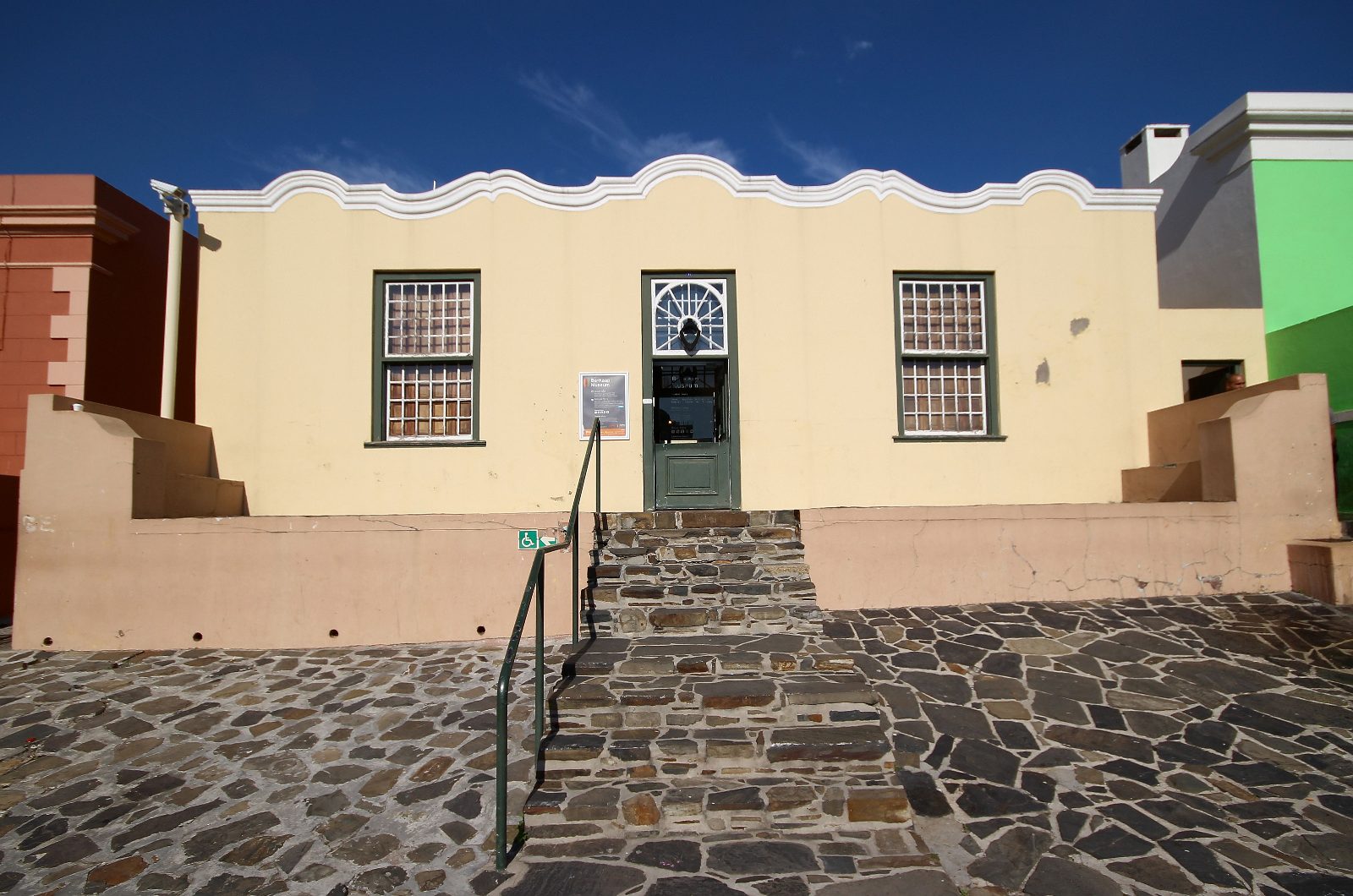
The common meeting point located at 100 Wale Street for the start of the bo kaap cooking class experience. It is situated directly opposite the historic Bo-Kaap Museum.
This nearby landmark provides cultural context for the bo kaap cooking class journey. It highlights the history of the Malay community in the area.
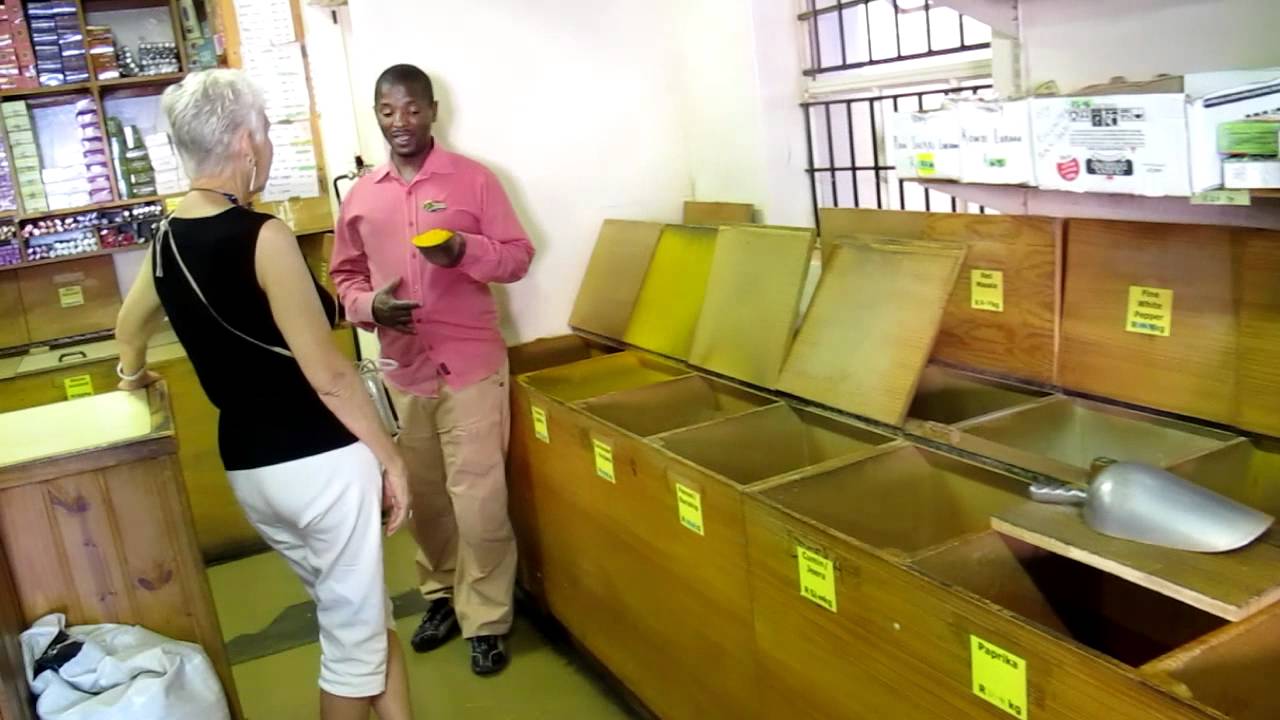
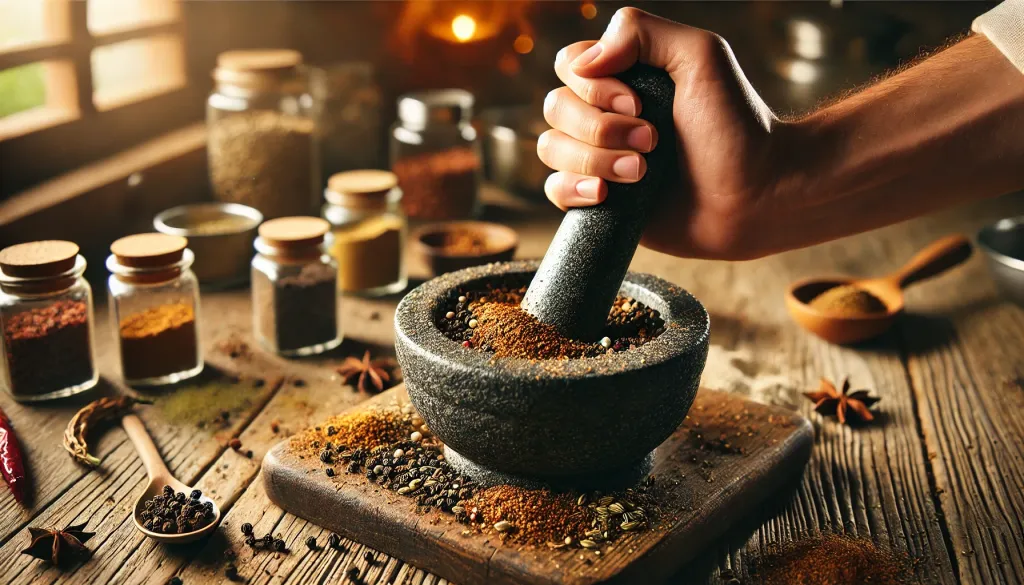
Visit these shops during the bo kaap cooking class to learn about authentic ingredients. Participants discover the secrets of mixing traditional Masala.
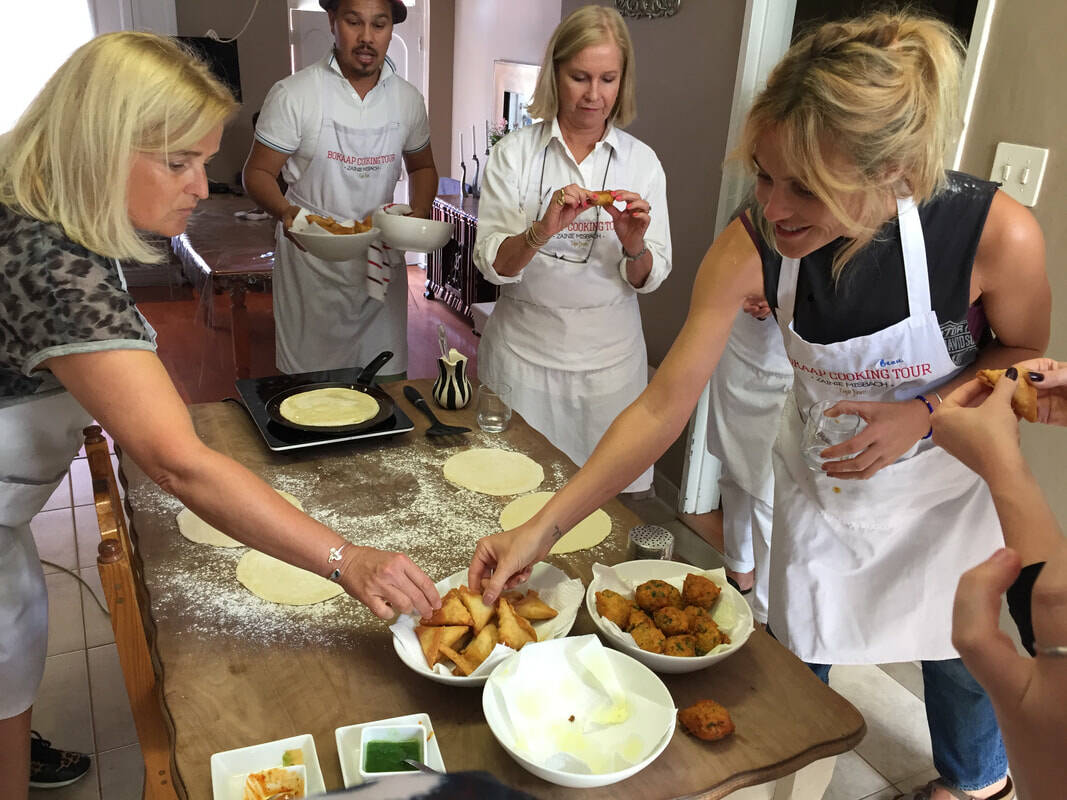
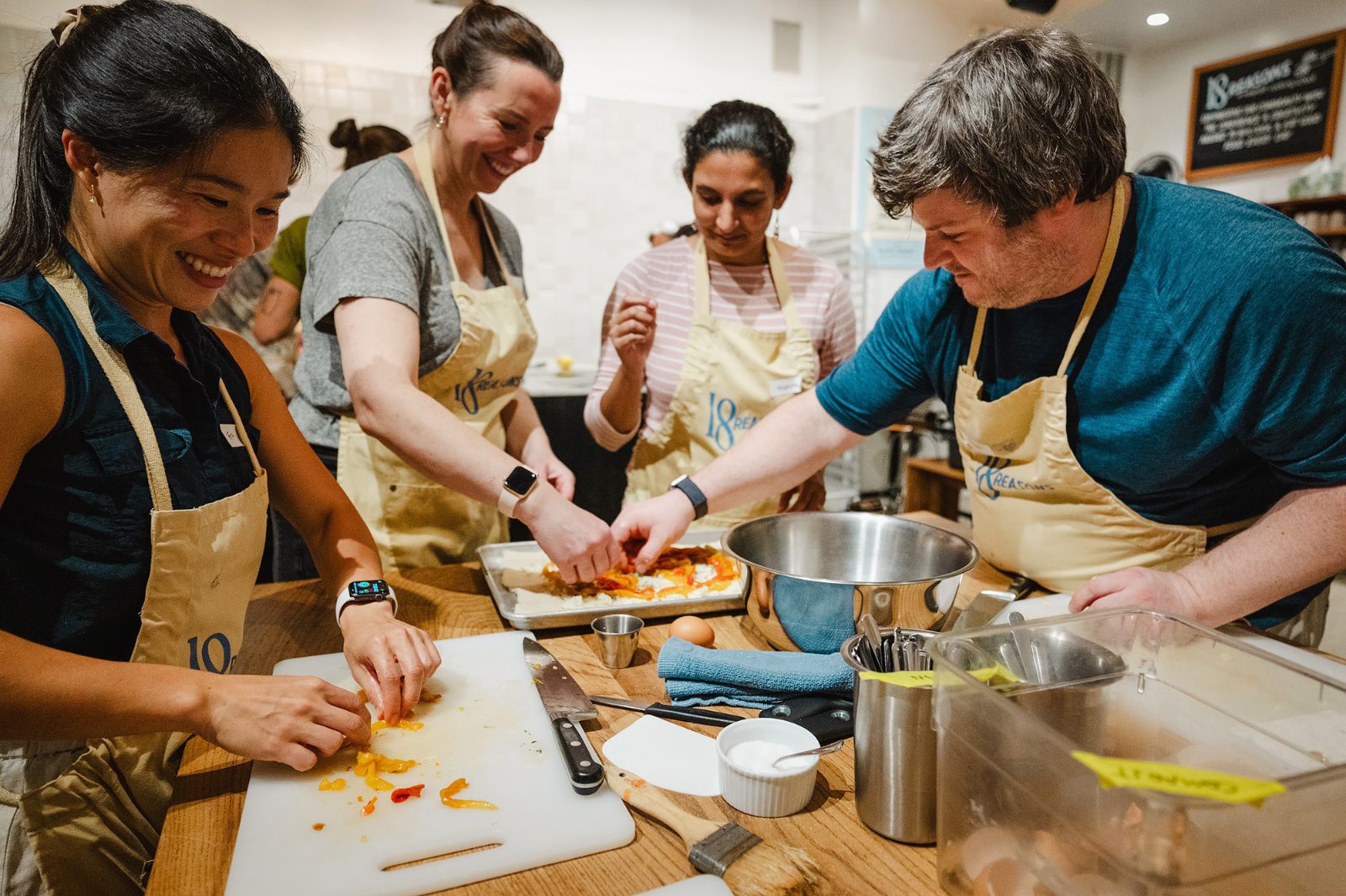
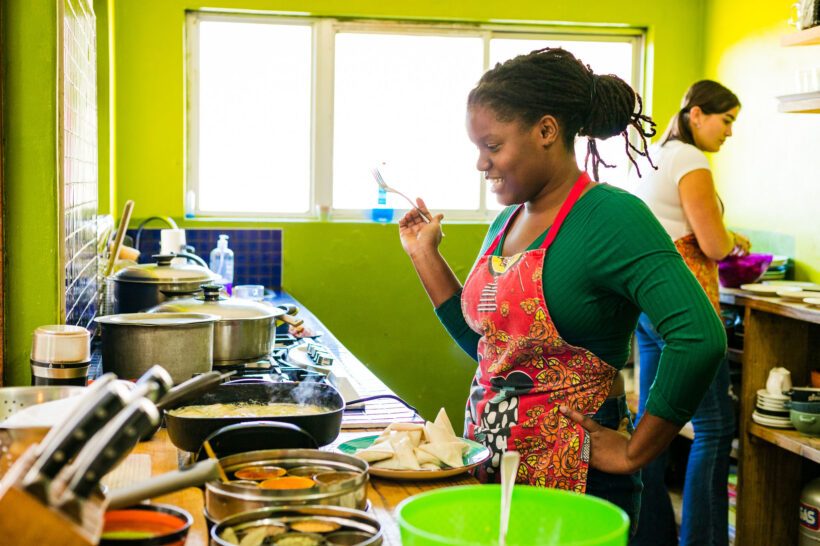
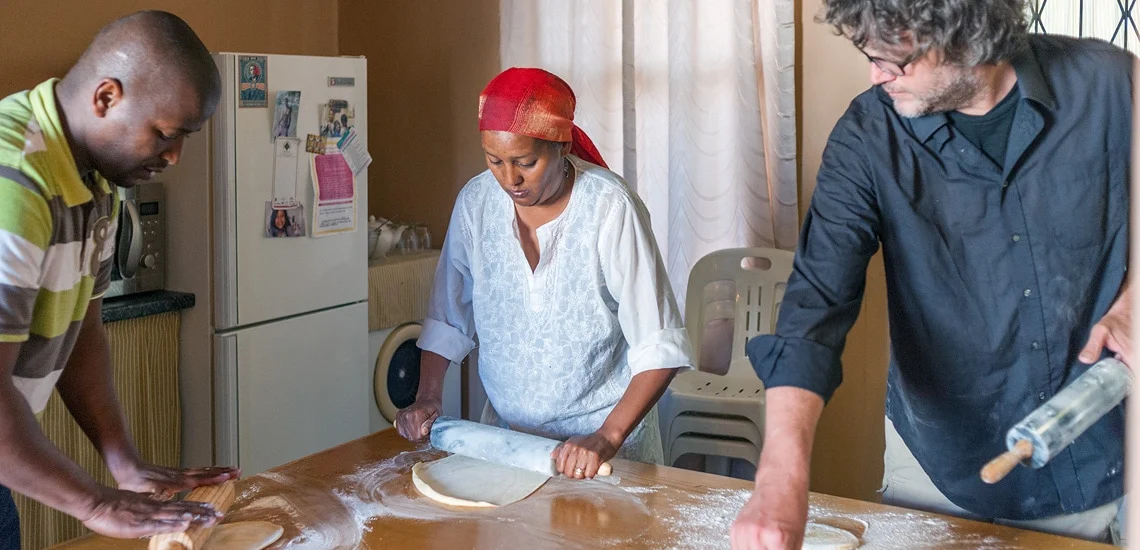
The heart of the bo kaap cooking class where guests learn to fold samosas and fry rotis. It is an intimate home setting.
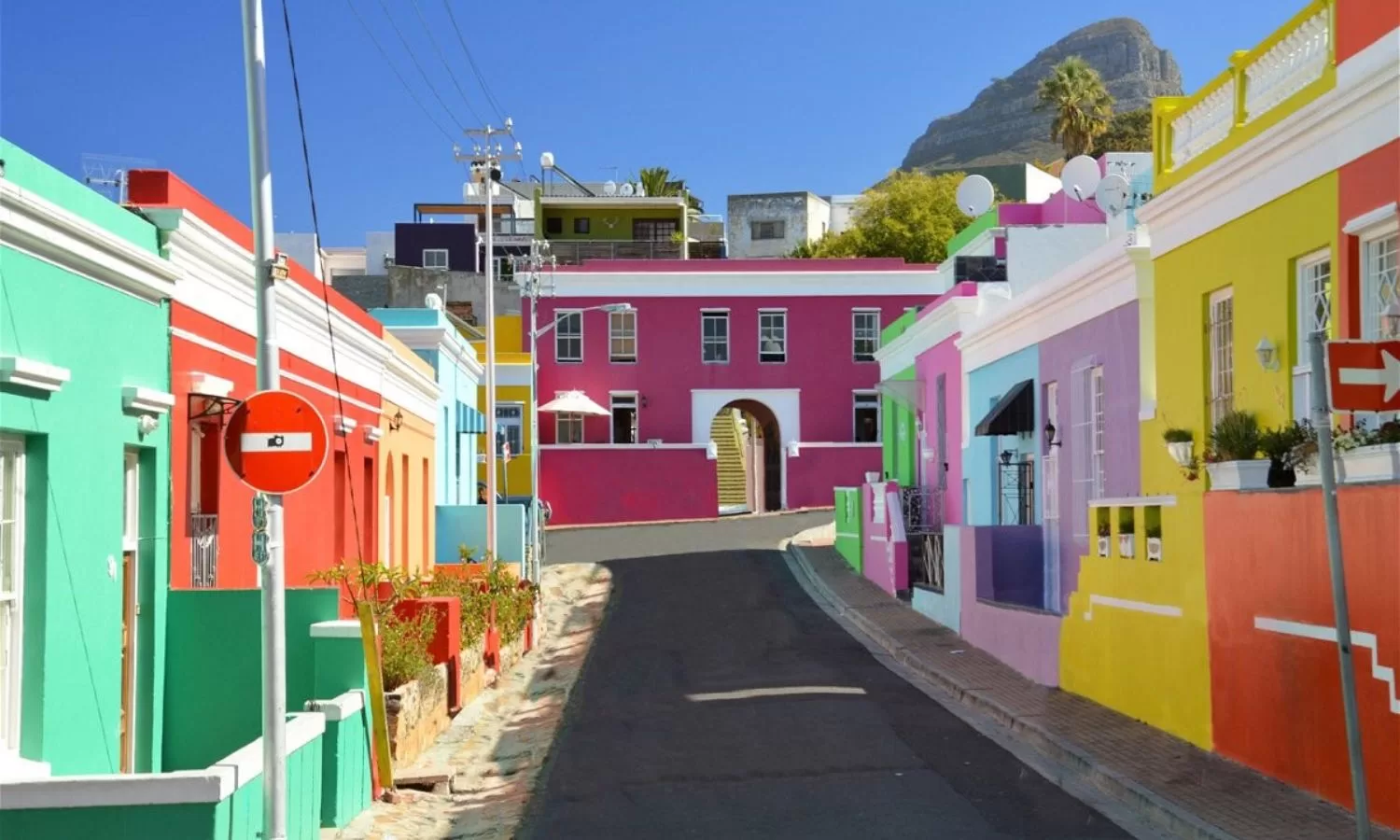
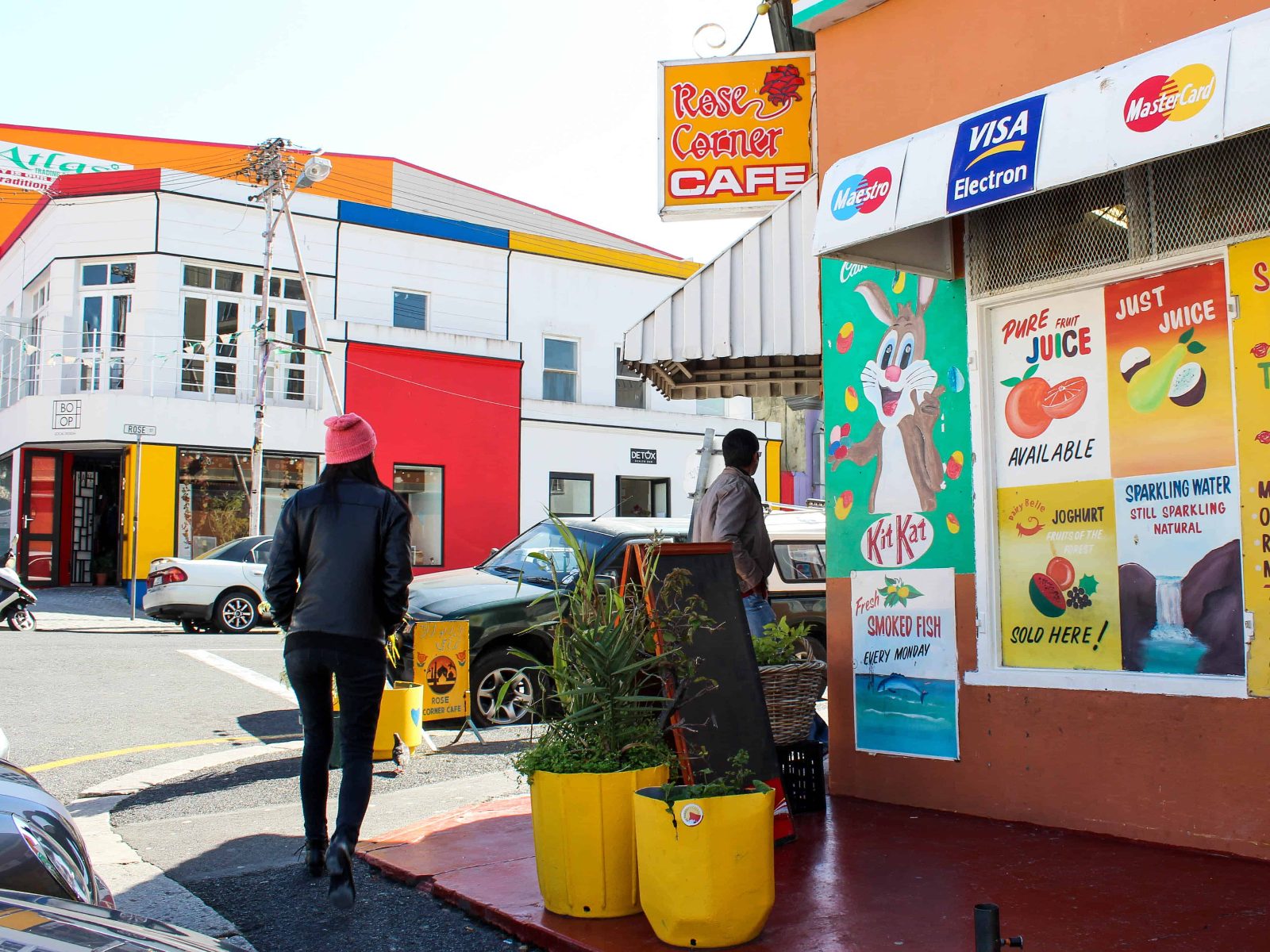
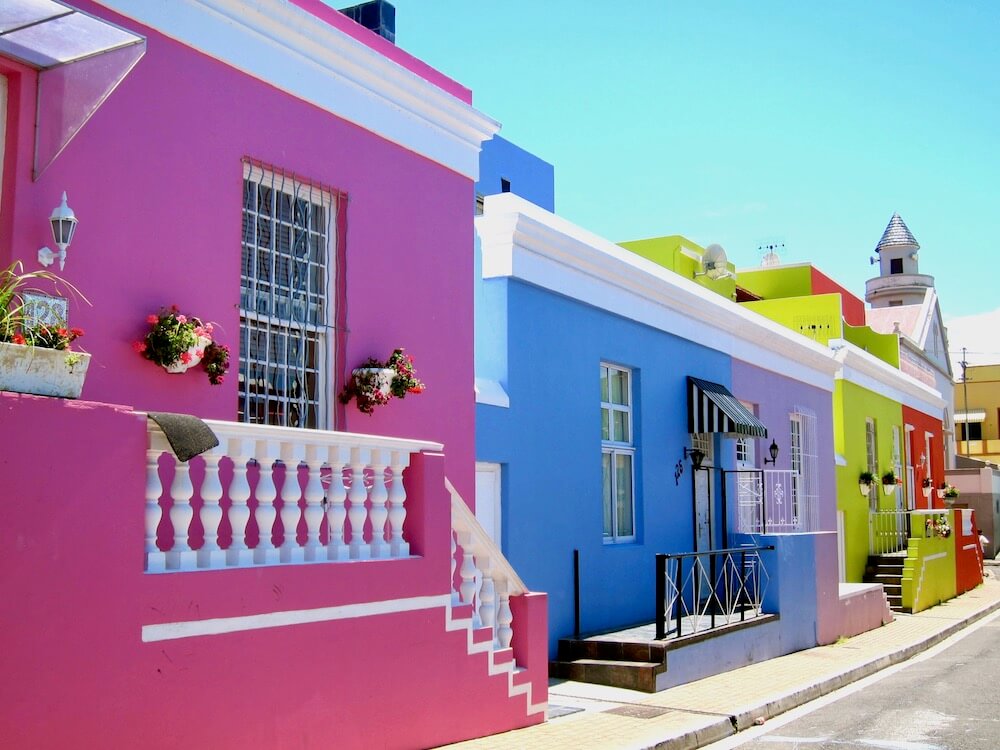
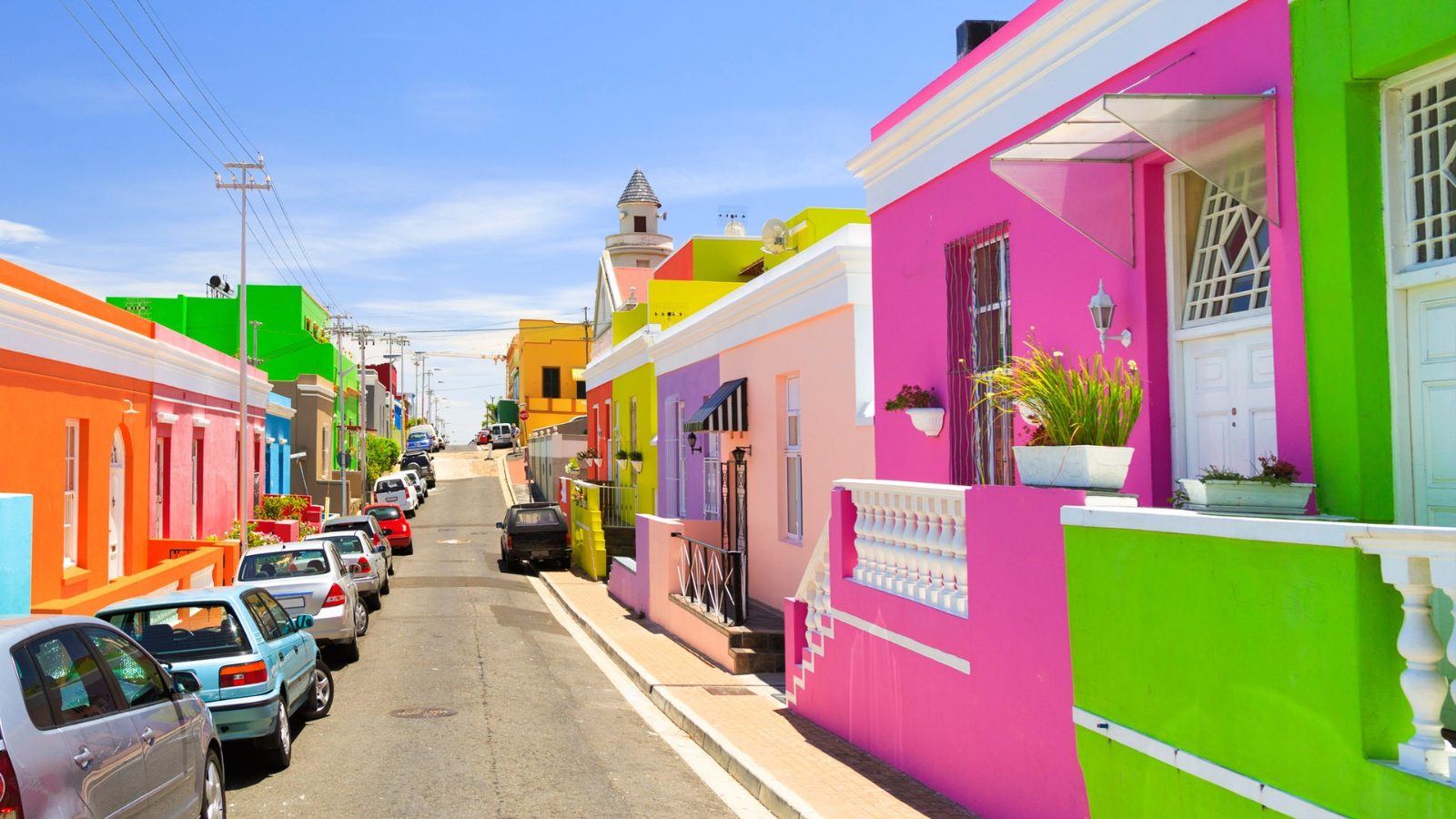
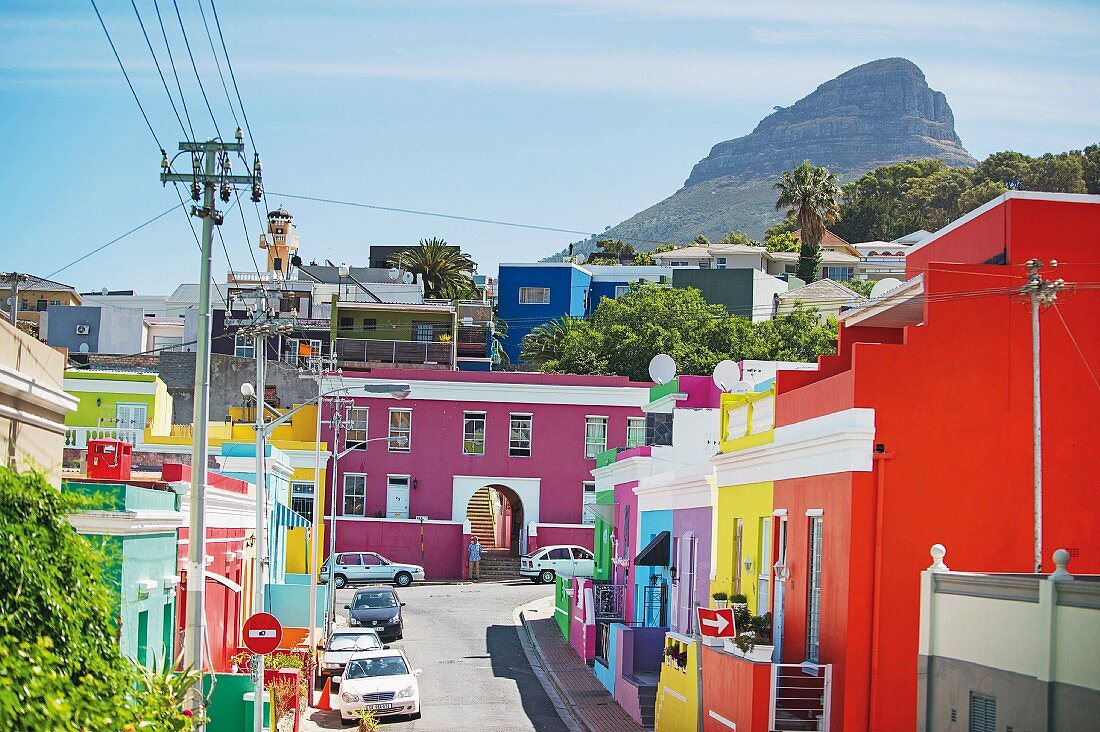
The iconic streets explored during the bo kaap cooking class. These roads are lined with brightly colored, flat-roofed houses that represent the area's history.
Every Bo Kaap Cooking Class tour side-by-side — duration, what's included, how you redeem.
| Experience | Duration | Rating | Pickup | Small group | Free cancel. | Price | |
|---|---|---|---|---|---|---|---|
|
Standard Entry Most popular
Bo-Kaap Malay Cooking Experience
|
2 hr 30 min | ★ 4.8 | — | ✓ | ✓ | €43 | Book → |
|
Standard Entry
Bo-Kaap Cultural Walk & Traditional Malay Cooking Experience
|
4 hr | ★ 4.7 | — | ✓ | ✓ | €59 | Book → |
|
Standard Entry
Thai Cooking Workshop with Market Visit & Herb Garden
|
3 hr 30 min | ★ 4.9 | ✓ | ✓ | ✓ | €26 | Book → |
All prices from verified partners. Availability and exact terms confirmed at checkout.
The cooking course provides an immersive culinary focus, while the walking tour offers a broader exploration of the neighborhood's Cape Malay heritage, making bo kaap cooking class tours the better choice for those prioritizing active kitchen engagement.
| Feature | Top pick Bo-Kaap Cooking Class | Cape Malay Walking Tour |
|---|---|---|
Hands-on participation |
High (full preparation) | Low (observation only) |
Depth of culinary instruction |
Professional techniques taught | Overview of food origins |
Time commitment |
3.5 hours | 2 hours |
Historical context intensity |
Integrated into recipes | Primary tour focus |
Physical activity level |
Low (kitchen-based) | Moderate (walking inclines) |
| See tickets → |
Verdict: Opt for these bo kaap cooking class tickets if you prefer a hands-on experience, whereas the walking tour serves travelers seeking a general cultural survey.
Choose your ticket, select your date, and reserve in under two minutes. Secure checkout handled by our verified partner.
Instant confirmation by email, with a mobile voucher you can save offline. No printing, no queuing at a collection desk.
Arrive at the entrance, show your voucher on your phone, and walk in. Most tickets include priority or skip-the-line access.
Practical details for Bo Kaap Cooking Class tickets straight from our verified partners — hours, access, rules, and how to get there.
100 Wale Street, Bo-Kaap
Across from the Bo-Kaap Museum
Open in Google MapsThe most direct method to reach 46 Rose Street from the city center
Accessible from the city center via Wale Street
Wear comfortable shoes for walking through the neighborhood streets. Modest dress is appreciated when visiting local homes and cultural areas.
Keep personal belongings to a minimum as there is no secure storage facility on-site. Carry only essential items during your walking tour.
Photography is generally encouraged during the walking portion of the experience. Please ask your host for permission before filming inside private homes.
The walking tour involves navigating cobbled streets and hills which may present challenges. Contact the operator to discuss specific requirements.
Mobile phones are permitted for personal photography. Ensure devices are silenced during cultural storytelling segments.
Children under 10 years pay 50% of the standard rate. Participation in the hands-on cooking portion is restricted to children 10 years and older.
The experience includes a traditional meal prepared during the class. Please notify the operator of any dietary restrictions or food allergies in advance.
Pets are not permitted inside the venues or private homes. Service animals should be cleared with the operator prior to arrival.
The experience includes a guided walk followed by a practical cooking lesson. All sessions conclude with a meal shared at the host's residence.
Best time to go, insider tips, nearby landmarks, and the cancellation fine print — flip through to skim what matters to you.
How crowds, weather, and events shift across the year.
December to February offers warm, dry weather perfect for outdoor walking tours. Book well in advance for these peak months.
March to May provides pleasant temperatures and fewer crowds. Ideal for outdoor photography.
June to August may be rainy; indoor cooking activities remain popular. Check for weather-related schedule changes.
September to November features blooming flora and mild days. Great for comfortable cultural walking.
Small details that turn a good visit into a great one.
Classes often fill up, especially for the popular bo kaap cooking class slots. Secure your bo kaap cooking class tickets well in advance.
Inform the host of allergies before your bo kaap cooking class date. They can often accommodate vegetarian requests.
Some local spice shops prefer cash during the bo kaap cooking class walking tour. Carry small denominations.
You will be walking on cobblestones during your bo kaap cooking class tour. Flat, sturdy shoes are essential.
Respect the community and local traditions during your bo kaap cooking class. It is a residential neighborhood.
Verify the meeting point at 100 Wale Street before your bo kaap cooking class starts. It is near the Bo-Kaap Museum.
You will receive a booklet after your bo kaap cooking class; keep it for your home cooking.
Aim to arrive during the best arrival window for your bo kaap cooking class. This ensures you do not miss the introduction.
Non-bookable sights within a short walk — free to visit, easy to pair.
Explore the history and heritage of the local community
The first and oldest mosque in South Africa
Offers panoramic views of the city and coast
A historic public park in the center of Cape Town
Flexible, no hidden fees.
Contact the operator directly via the official site for cancellation terms. All bookings are subject to specific confirmation policies.
Hand-picked options within walking distance — pick a district for vibe, or a specific hotel for convenience.
High-end stays near the V&A Waterfront
Trendy area with historic charm and guesthouses
Authentic local homestays and heritage rentals
The kitchens of Bo-Kaap have preserved a 300-year culinary lineage that began when Indonesian, Malay, and South Asian political exiles arrived at the Cape under Dutch colonial rule in the late 17th century.
These enslaved and free artisans brought spice knowledge from the Javanese archipelago and the Malabar Coast, blending it with indigenous African ingredients and European techniques to create Cape Malay cuisine—a distinct fusion that predates the term by centuries. The neighborhood's kitchens became laboratories of cultural synthesis, where turmeric, tamarind, and cardamom met local snoek and waterblommetjie bredie in recipes passed orally through generations.
Today, a bo kaap cooking class offers immersion into that living tradition at 46 Rose Street, where instructors descended from the quarter's original families guide visitors through dishes that remain largely unchanged since the 18th century. The curriculum centers on fundamentals: mastering the roux for bredie, balancing sweet and savory in bobotie, rolling koesisters with the precise twist that creates their syrup-soaked honeycomb interior. Each technique carries historical weight—the spice blends trace back to apothecary knowledge smuggled from Batavia, while the slow-cooking methods reflect the rhythm of communal ovens that once anchored neighborhood life.
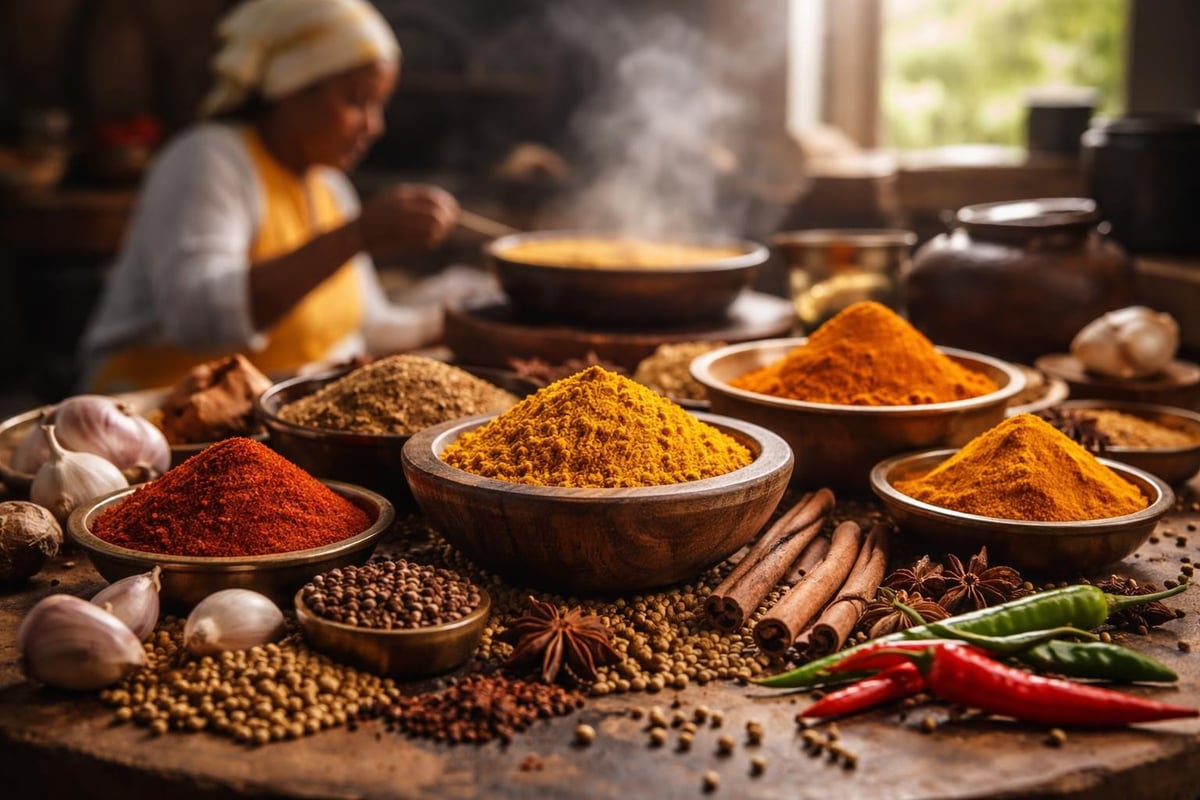
The bo kaap cooking course unfolds in restored Victorian terraces painted in the jewel tones that became the area's signature after apartheid's end, when residents reclaimed the right to self-expression through exterior color. The morning sessions accommodate the demands of traditional recipes that cannot be rushed: samoosas require patient folding, denningvleis deepens over hours of simmering, and the spice-grinding that opens each class demands the same stone mortar techniques used for three centuries. Participants source ingredients from the adjacent Malay Quarter market, where vendors still sell whole spices, dried naartjie peel, and the specific cuts of mutton that Cape Malay cooks prefer.
The bo kaap cooking school tradition extends beyond recipe replication into cultural transmission—instructors contextualize each dish within the Muslim calendar, the history of Table Mountain's water sources, and the economics of spice trade that made Cape Town a provisioning station on the route to the East Indies. The classes preserve knowledge at risk of dilution as younger generations migrate and global tourism pressures homogenize the quarter's character. Every bo kaap tour and cooking class session thus functions as both culinary instruction and cultural documentation, ensuring that the recipes born from Cape Town's most complex historical intersections remain practiced rather than museumized.

"The spice blends trace back to apothecary knowledge smuggled from Batavia, while the slow-cooking methods reflect the rhythm of communal ovens that once anchored neighborhood life."
A step-by-step walkthrough of Bo Kaap Cooking Class tickets — what you'll see, how long each stage takes, and the details that matter.
You arrive at the Rose Street kitchen mid-morning, when the light through Victorian sash windows illuminates copper pots arranged by size along whitewashed walls.
Your instructor—often a third- or fourth-generation Bo-Kaap resident—begins by spreading whole spices across a wooden board: coriander seeds, fennel, cumin, cloves, each to be dry-roasted until fragrant, then ground by hand in a stone mortar that belonged to her grandmother. You measure, crush, and blend your own masala, the first step in every Cape Malay dish you'll prepare.
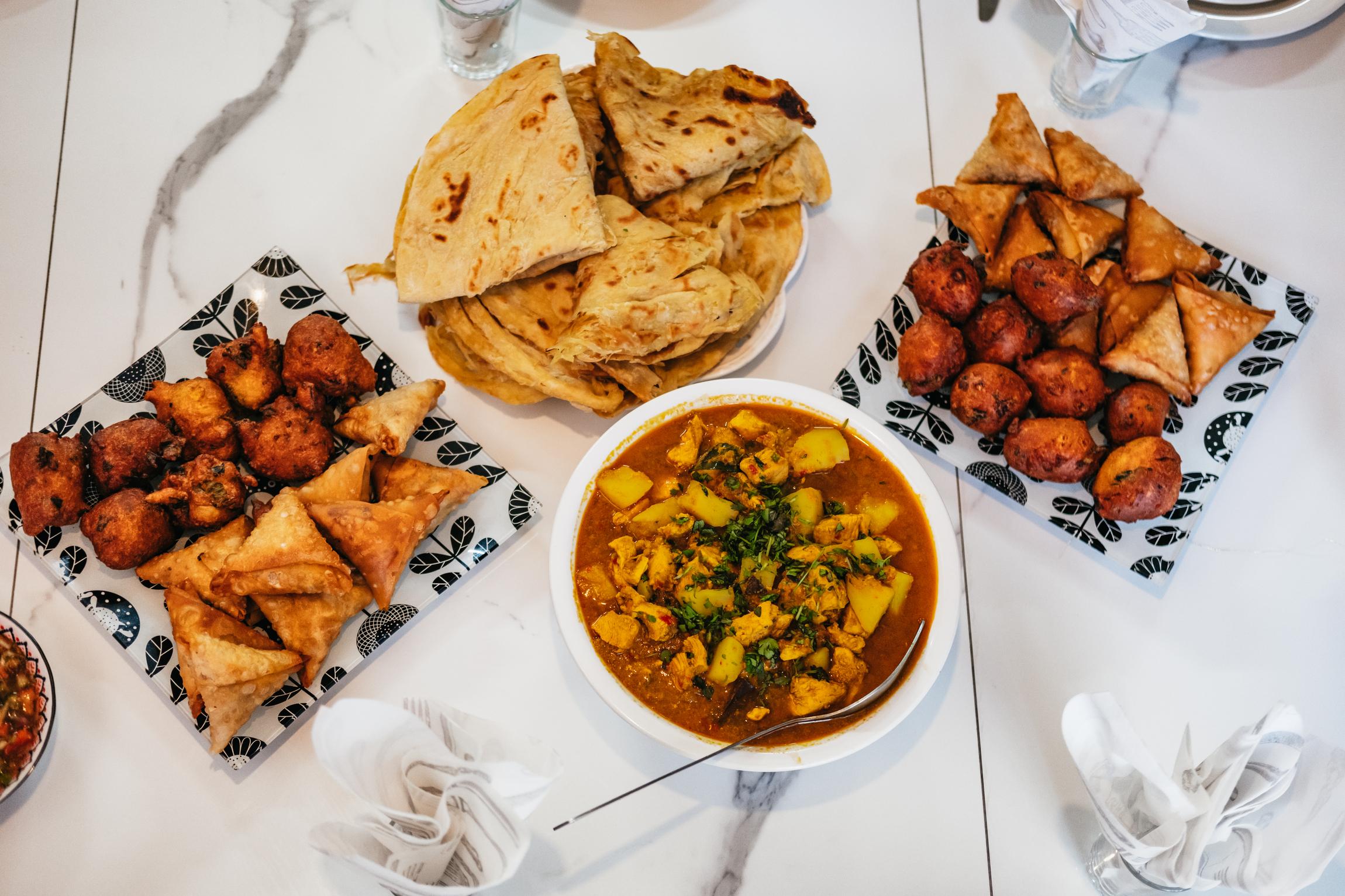
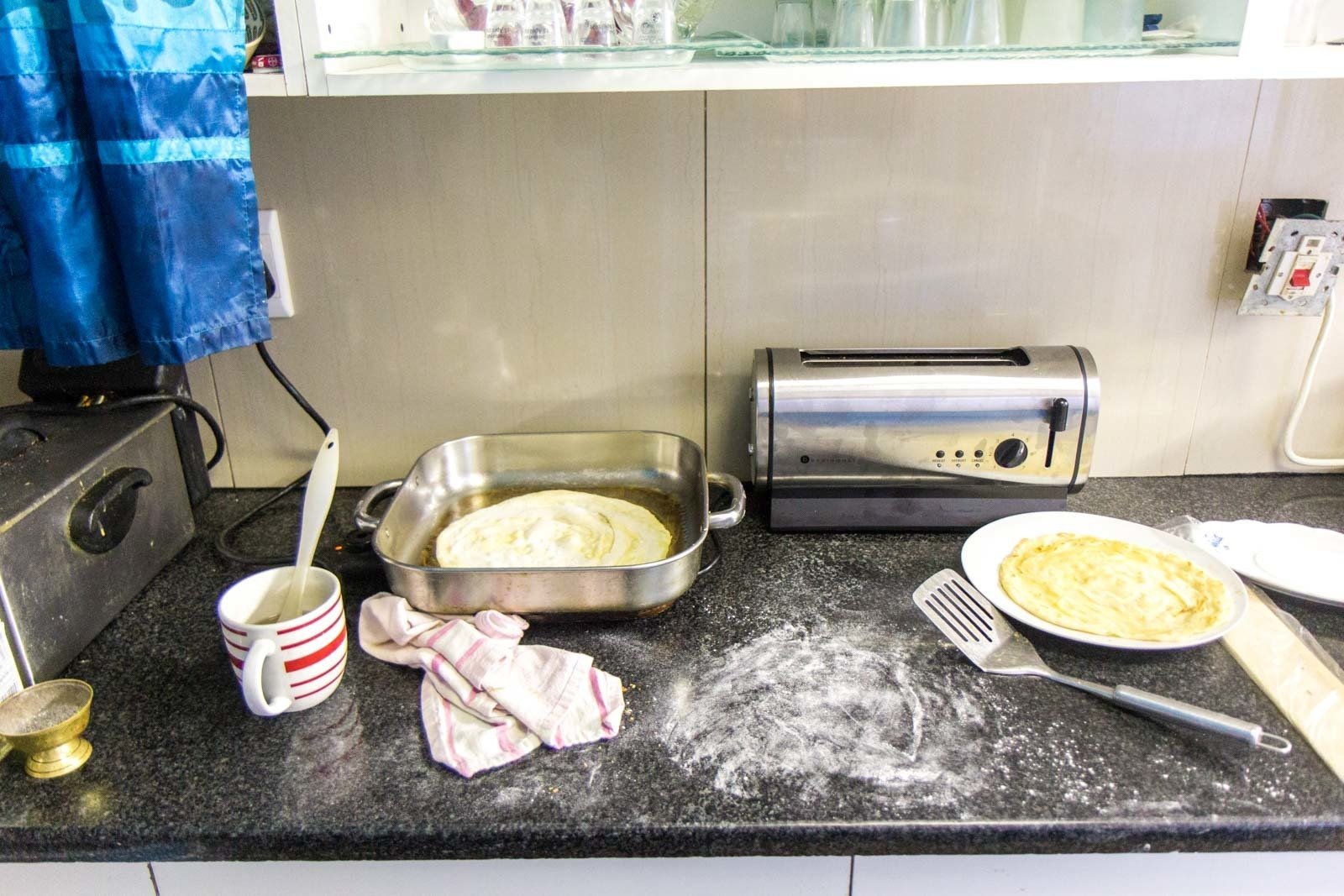
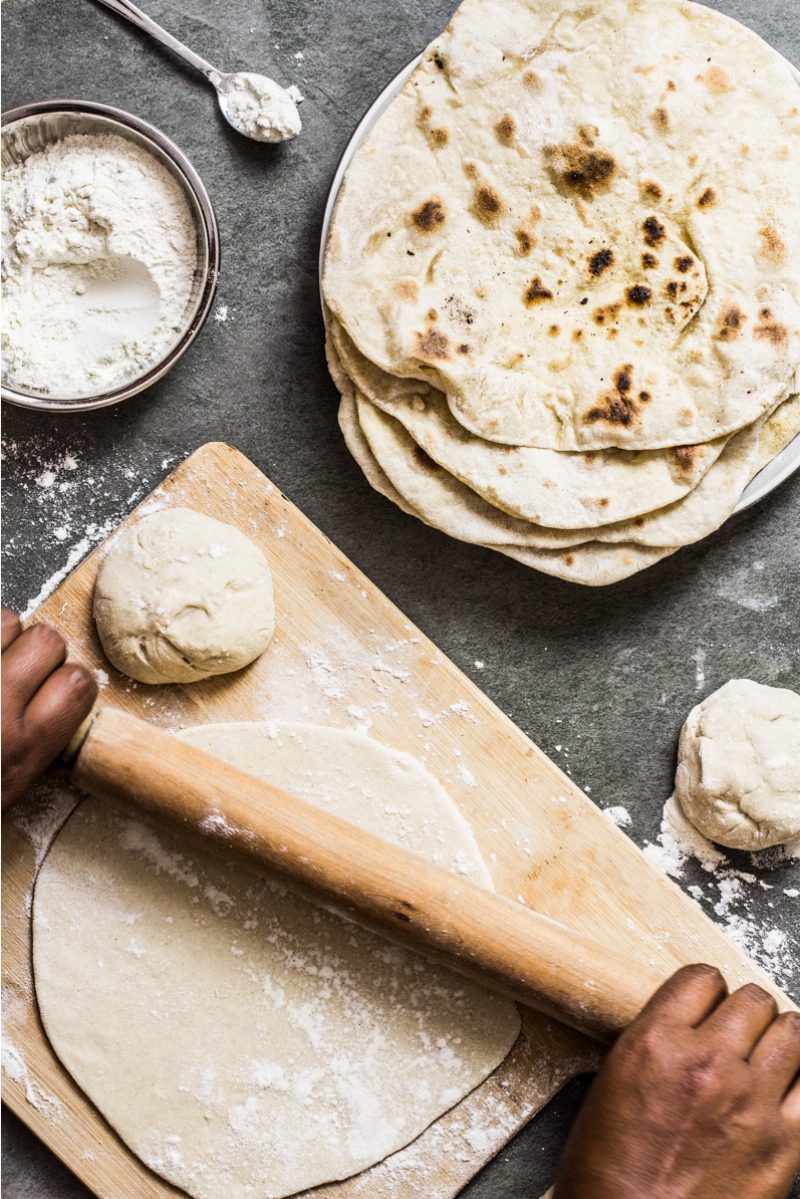
The class moves through three core recipes in sequence. You dice onions for a tomato-rich bredie, learning the low-and-slow technique that marries spice with meat until the stew thickens into sauce. You fold samoosa pastry into triangles, sealing edges with a flour-water paste before frying them golden in a heavy-bottomed pan. For bobotie, you soak bread in milk, combine it with curried mince, then top the casserole with an egg custard that bakes to a delicate wobble. Between dishes, you sit at a communal table to taste your work alongside traditional roti and Cape Malay pickles, while your instructor explains how each recipe connected her family to Eid celebrations, wedding feasts, and the spice route diaspora. You leave with printed recipes, a jar of your own spice blend, and the scent of cardamom still on your hands.
The bo kaap cooking class operates Monday–Thursday 10:30–14:00 and Saturday 10:00–13:30. It is closed on Fridays and Sundays.
The walking portion of the bo kaap cooking class involves hilly, cobbled streets; please contact the operator to discuss specific accessibility needs.
It is recommended to carry minimal personal items to the bo kaap cooking class as there is no on-site storage.
Yes, you may take photos during the bo kaap cooking class tour, but please request permission before photographing inside private homes.
The bo kaap cooking class is best enjoyed during the pleasant weather of spring or autumn. Always book your bo kaap cooking class tickets in advance.
Wear comfortable walking shoes for the bo kaap cooking class. Modest attire is respectful when visiting the local community.
Yes, your bo kaap cooking class includes a traditional meal that you help prepare. Please advise of dietary restrictions beforehand.
The bo kaap cooking class is located at 46 Rose Street; most visitors use a taxi or walk from the city center.
Children over 10 are welcome to participate in the bo kaap cooking class. Children under 10 pay a reduced rate but do not participate in cooking.
Cancellations for bo kaap cooking class tickets should be handled by contacting the operator directly through their official site.