2 hr 30 min
Bo-Kaap Malay Cooking Class & Lunch
Master Cape Malay recipes in a local chef's home, then feast on your creations in colorful Bo-Kaap.
Reserve
Hand-picked by our editors — only the best 4 experiences from 12 reviewed.
Verified partners for every tour, free cancellation where available, and instant confirmation on every booking.
2 hr 30 min
Master Cape Malay recipes in a local chef's home, then feast on your creations in colorful Bo-Kaap.
Reserve
4 hr
Stroll cobblestone streets, visit historic sites, then cook and share an authentic Cape Malay feast.
Reserve
2 hr
Discover Cape Town's layered past on a guided walk from District Six to Bo-Kaap's iconic streets
ReservePrices from verified partners. Availability updates in real time at checkout. Free cancellation policies apply where shown.
The landmarks, rooms, and views travelers on this tour remember — all visible on a single visit.
The museum is housed in a building dating back to the 1760s, offering insight into the heritage of the Cape Malay community. It serves as an essential starting point for any bo kaap walking tour and cooking class.
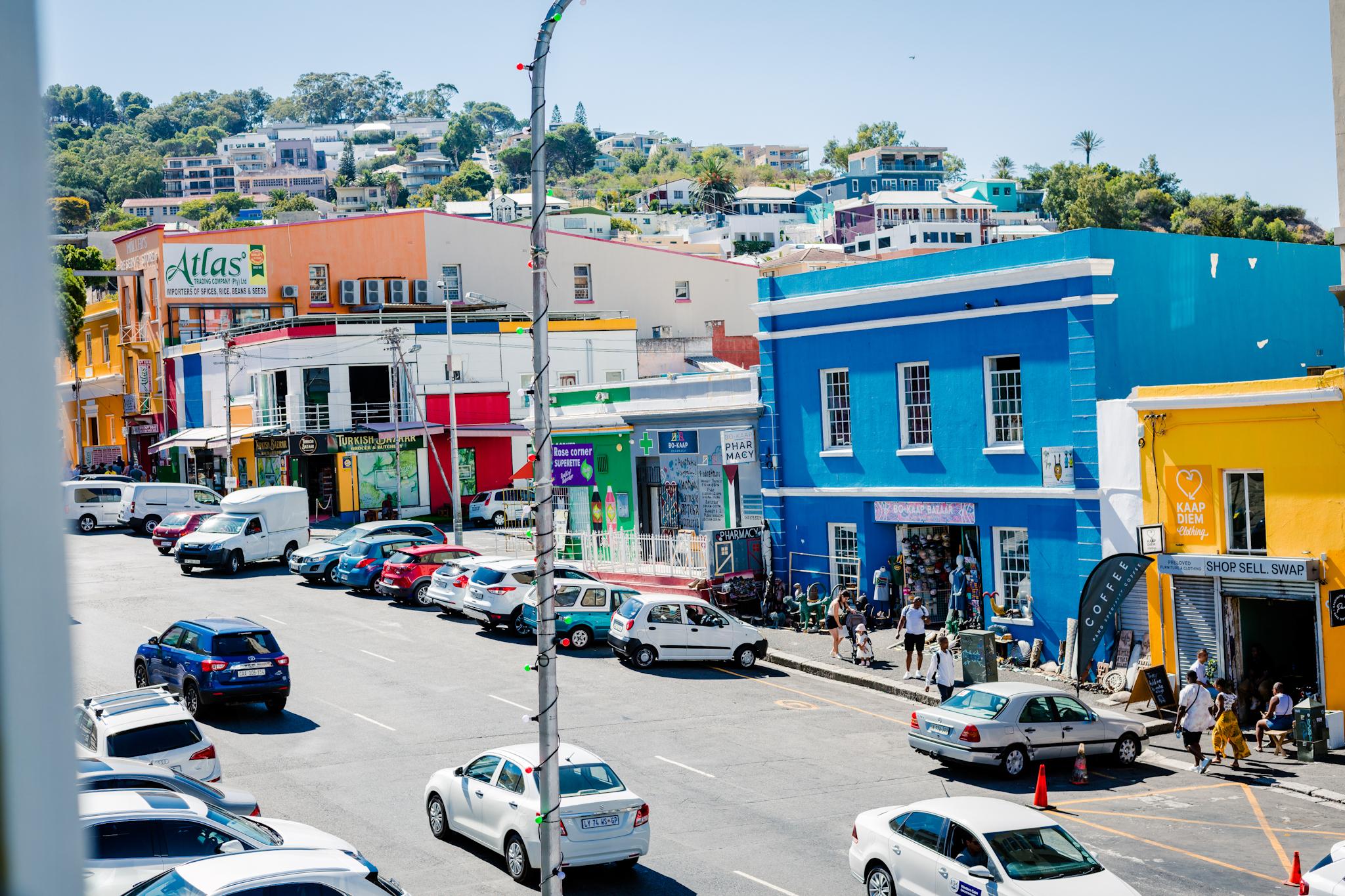
These iconic vibrant homes are the defining visual of the area. Each house represents the architectural evolution and the spirit of the local residents.
Established in 1794, this is the first and oldest mosque in South Africa. It represents a significant historical pillar for the local community.
This historic site is significant to the community as one of the oldest burial grounds in the area. It provides a quiet space to reflect on the history of the Cape Malay people.
Walking along Rose Street provides a clear view of the distinct Cape Dutch and Georgian building styles. It is a key segment of the walking portion of the bo kaap walking tour and cooking class.
The bo kaap walking tour and cooking class is superior for travelers seeking authentic cultural heritage, while general food tours are better for those prioritizing variety across different city districts.
| Feature | Top pick Bo-Kaap Experience | General Cape Town Tours |
|---|---|---|
Primary Focus |
Cape Malay heritage | General city dining |
Neighborhood Depth |
Single-neighborhood focus | Multi-neighborhood variety |
Cultural Immersion |
Direct household interaction | Guided public tastings |
Hands-on Participation |
Traditional recipe preparation | Observation of culinary sites |
Duration |
3–4 hours | 2–5 hours |
Logistical Convenience |
Fixed Rose Street location | Variable pick-up points |
| See tickets → |
Verdict: Choose the bo kaap walking tour and cooking class tour for deep historical connection or general bo kaap walking tour and cooking class tickets for broad city exposure.
Choose your ticket, select your date, and reserve in under two minutes. Secure checkout handled by our verified partner.
Instant confirmation by email, with a mobile voucher you can save offline. No printing, no queuing at a collection desk.
Arrive at the entrance, show your voucher on your phone, and walk in. Most tickets include priority or skip-the-line access.
Practical details for your visit straight from our verified partners — hours, access, rules, and how to get there.
46 Rose Street, Cape Town
Check in at the designated site
Uber or local taxis offer direct access to 46 Rose Street
Street parking is limited; use nearby public parking lots
Modest clothing is recommended when participating in a bo kaap walking tour and cooking class as a sign of respect for local traditions. Comfortable walking shoes are essential for navigating the cobblestone streets of the neighborhood.
Keep personal belongings minimal during your bo kaap walking tour and cooking class. Secure your valuables as you would in any city center environment.
Photography is permitted and encouraged during your bo kaap walking tour and cooking class, especially at the colorful houses. Always ask for permission before taking portraits of local residents.
The hilly terrain of the area can be challenging for those with mobility issues. Please reach out to the bo kaap walking tour and cooking class operator to discuss route modifications.
Mobile phones are permitted for photos during the bo kaap walking tour and cooking class. Please silence devices during cooking demonstrations to ensure a good experience for all participants.
Families are welcome on a bo kaap walking tour and cooking class tour. Activities are designed to be engaging for various age groups interested in Cape Malay culture.
The bo kaap walking tour and cooking class provides an immersive culinary experience. Dietary requirements should be communicated at the time of booking your bo kaap walking tour and cooking class tickets.
Pets are not permitted on the bo kaap walking tour and cooking class. Only service animals may be allowed with prior approval.
The bo kaap walking tour and cooking class tours offer a deep dive into local heritage. It is a highly educational experience that combines active sightseeing with hands-on learning.
Best time to go, insider tips, nearby landmarks, and the cancellation fine print — flip through to skim what matters to you.
How crowds, weather, and events shift across the year.
December to February offers warm weather and bright sunlight perfect for photos of the colorful architecture.
March to May brings mild temperatures and fewer crowds.
June to August is cooler with higher chances of rain but provides a more intimate experience.
September to November is ideal with blooming flora and pleasant walking conditions.
Small details that turn a good visit into a great one.
Spaces for the bo kaap walking tour and cooking class fill up quickly during peak season. Book your bo kaap walking tour and cooking class tickets online in advance.
Bo-Kaap is a residential area with deep religious roots. Always be mindful of local customs and avoid loud noise.
Cape Town can get warm in the summer. Carry water during your bo kaap walking tour and cooking class.
Engage with your local host during the bo kaap walking tour and cooking class to learn more about the community.
The best time for photography is during the morning when the light hits the colored houses perfectly.
Non-bookable sights within a short walk — free to visit, easy to pair.
A preserved house showcasing early Cape Muslim life and history.
Flexible, no hidden fees.
Check your specific booking confirmation for exact windows. Refunds are subject to the terms agreed upon at the time of purchase.
Hand-picked options within walking distance — pick a district for vibe, or a specific hotel for convenience.
Centrally located historic property.
The pastel facades that line Rose Street and Wale Street were painted in their now-iconic palette only after apartheid's collapse, a defiant reclamation of identity by Cape Malay families whose ancestors had been brought as political exiles and skilled artisans from Java, Sumatra, and the Malay Archipelago in the seventeenth and eighteenth centuries. Before 1994, the neighbourhood bore the administrative designation of the Malay Quarter, a label imposed during colonial governance. The Group Areas Act of 1950 threatened forced removals, but residents organized, resisted, and ultimately remained. Today the district's cobblestone lanes preserve one of Cape Town's oldest residential quarters, its terraced houses dating to the 1760s and its Auwal Mosque—South Africa's first, consecrated in 1794—still standing at the corner of Dorp Street. Cape Malay cuisine, forged in the hearths of these homes, is a direct archive of that migration and resistance. Bobotie, a spiced mince baked beneath a savoury custard, carries Indonesian roots. Denningvleis, slow-braised lamb sweetened with tamarind and apricot, reflects the culinary diplomacy of enslaved cooks who reinterpreted Dutch dishes with spices from the East. Koeksisters, syrup-soaked plaits of fried dough, and roti, hand-stretched flatbreads cooked on open flame, remain daily staples. The spice blends—masala, garam, borrie—are still ground by hand in many kitchens, their ratios passed down orally across generations. A bo kaap walking tour and cooking class connects these two threads. The walk traces the neighbourhood's rise from a predominantly Muslim artisan quarter in the eighteenth century to a UNESCO heritage site under consideration. You pass the kramats, the shrines of Islamic saints that ring the district, and the zinc-roofed homes whose front stoeps still function as communal thresholds. The cooking component relocates the tour into a working kitchen, often within a family home, where participants measure spices, knead dough, and shape samoosas under the instruction of residents who learned these techniques as children. The experience operates Monday through Saturday, 09:00 to 16:00, with morning starts recommended to avoid midday heat and to allow sufficient time for both the street portion and the meal preparation. Bo-Kaap's elevation on the lower slopes of Signal Hill affords views over Table Bay, but its significance lies less in vistas than in its function as a living neighbourhood. Markets still sell atjar and pickled fish, and the call to prayer still sounds five times daily. The bo kaap walking tour and cooking class tours formalize access to a district that remains residential, converting private culinary knowledge into a structured visitor offering while ensuring that the narrative and the revenue remain with the families who hold both.

"The pastel facades were painted only after apartheid's collapse, a defiant reclamation of identity by Cape Malay families whose ancestors had been brought as political exiles from Java and Sumatra."
A step-by-step walkthrough of the visit — what you'll see, how long each stage takes, and the details that matter.
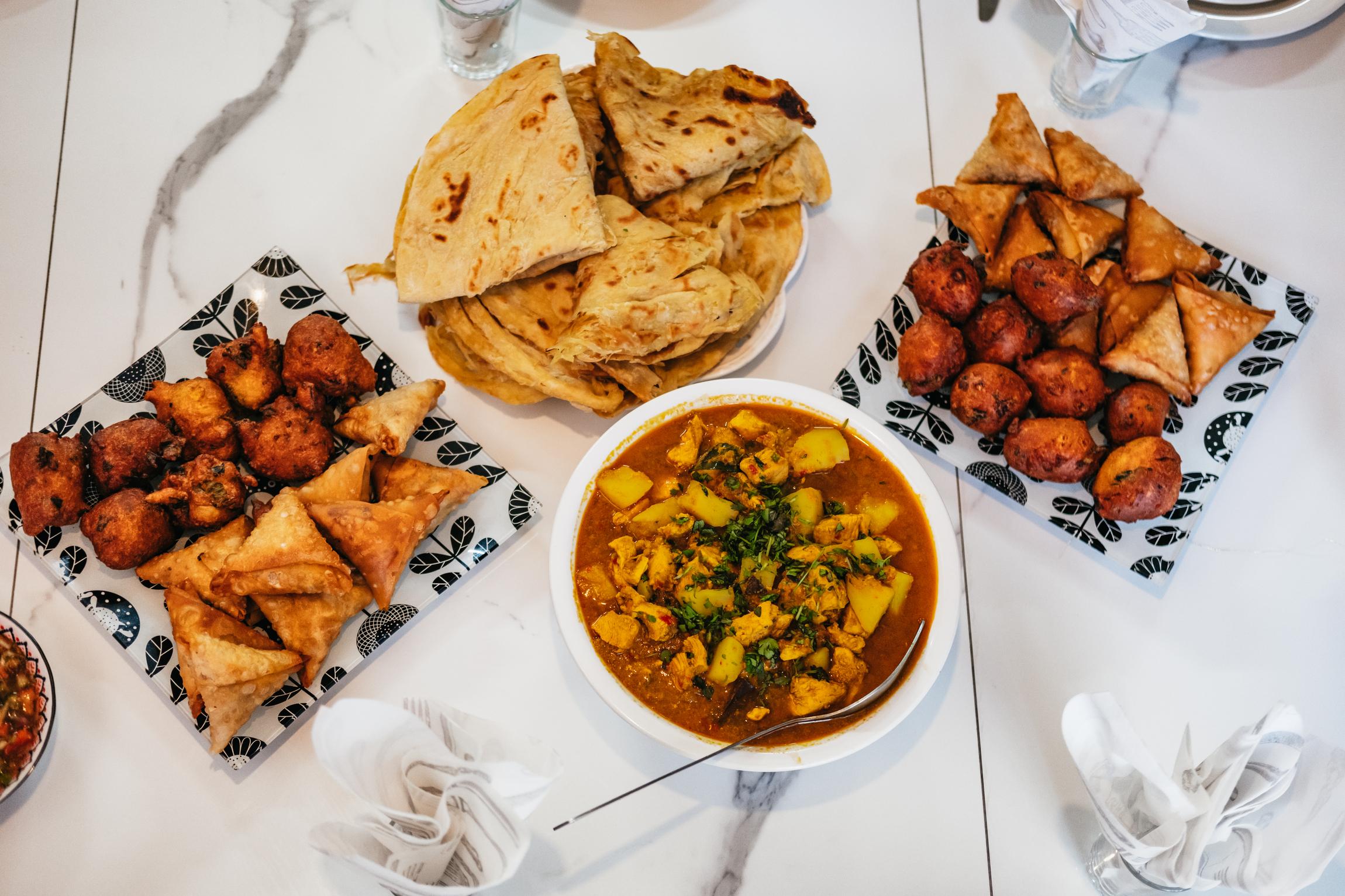
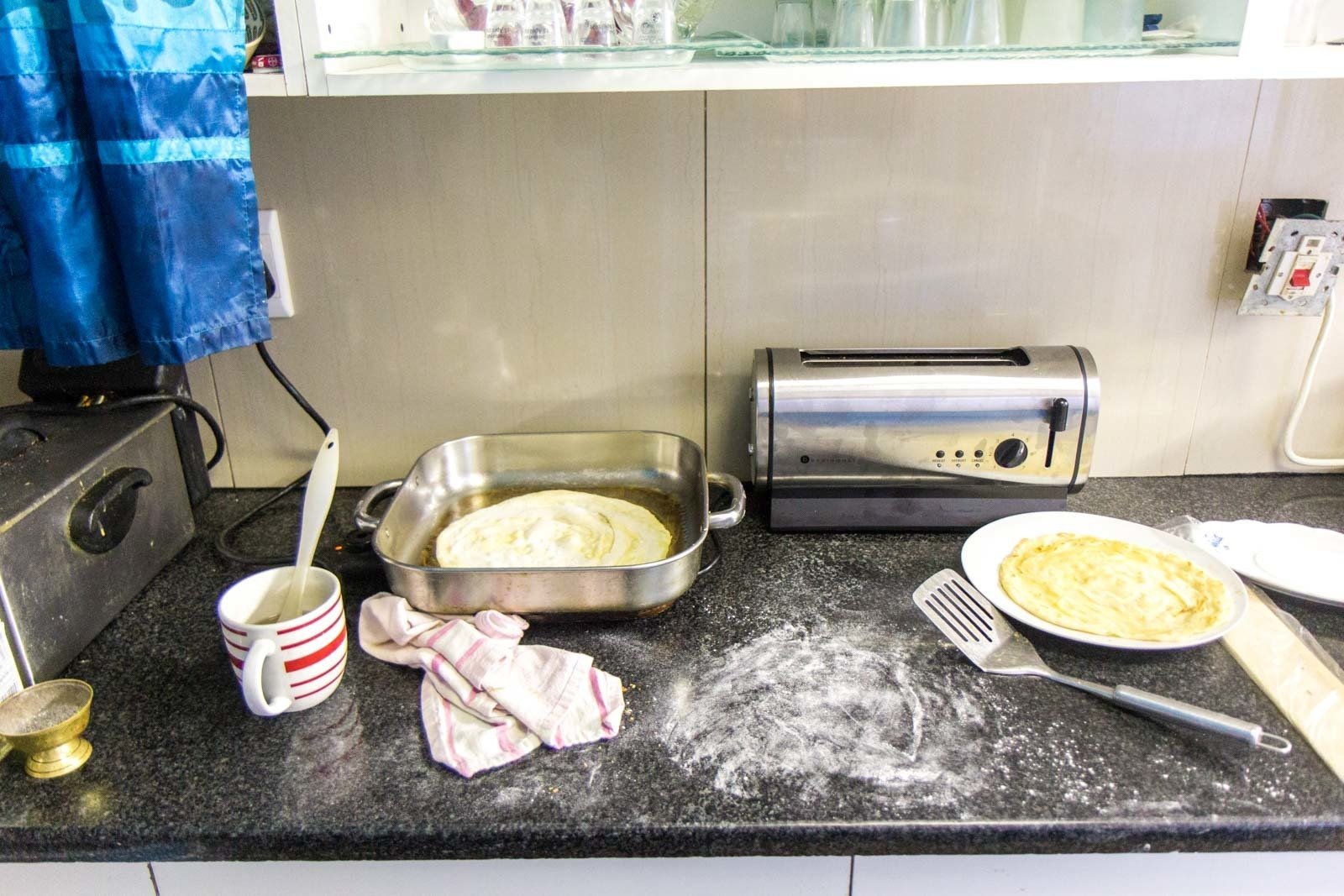
You meet your guide at 46 Rose Street mid-morning, the terraced houses rising in sherbet tones—fuchsia, turquoise, saffron—against the pale sky. The walk begins uphill along cobblestone lanes, past the Auwal Mosque's whitewashed minaret and the zinc-roofed homes where laundry hangs across narrow balconies. Your guide pauses at a kramat shrine, explains the significance of the pilgrimage sites, and points out the architectural markers—Dutch gables, Georgian sash windows—that predate the paint. You turn onto Chiappini Street, photograph the stepped facades, and descend toward Wale Street, where a spice shop's open door releases the scent of cardamom and coriander. The cooking portion unfolds in a family kitchen, usually within a heritage home. You wash your hands, tie an apron, and measure out the spice blend for bobotie or denningvleis. The host demonstrates roti stretching—palms flattening dough against a marble slab, the disc growing translucent—and you attempt your own, folding and pressing until the flatbread holds together. Samosas are shaped, edges pinched, then fried in a cast-iron pot. You sit at a communal table, eat what you've prepared, and drink rooibos tea while the host recounts family recipes and migration histories, the meal itself serving as both conclusion and proof.
The bo kaap walking tour and cooking class operates Monday through Saturday, 09:00–16:00. It is closed on Sundays.
The hilly terrain makes some parts of a bo kaap walking tour and cooking class difficult for those with limited mobility; inquire beforehand.
Bring comfortable walking shoes, sun protection, and a camera for your bo kaap walking tour and cooking class.
Book your bo kaap walking tour and cooking class tickets via the official website to secure your spot.
Yes, you can use phones and cameras during the bo kaap walking tour and cooking class for personal use.
Yes, the bo kaap walking tour and cooking class is designed to be inclusive and educational for families.
You get a historical guided walk and a hands-on culinary session during the bo kaap walking tour and cooking class.
The location at 46 Rose Street is easily reached by taxi or car within Cape Town.
Yes, the Bo-Kaap Museum is just a short walk from your bo kaap walking tour and cooking class activity.